Mass Hysteria
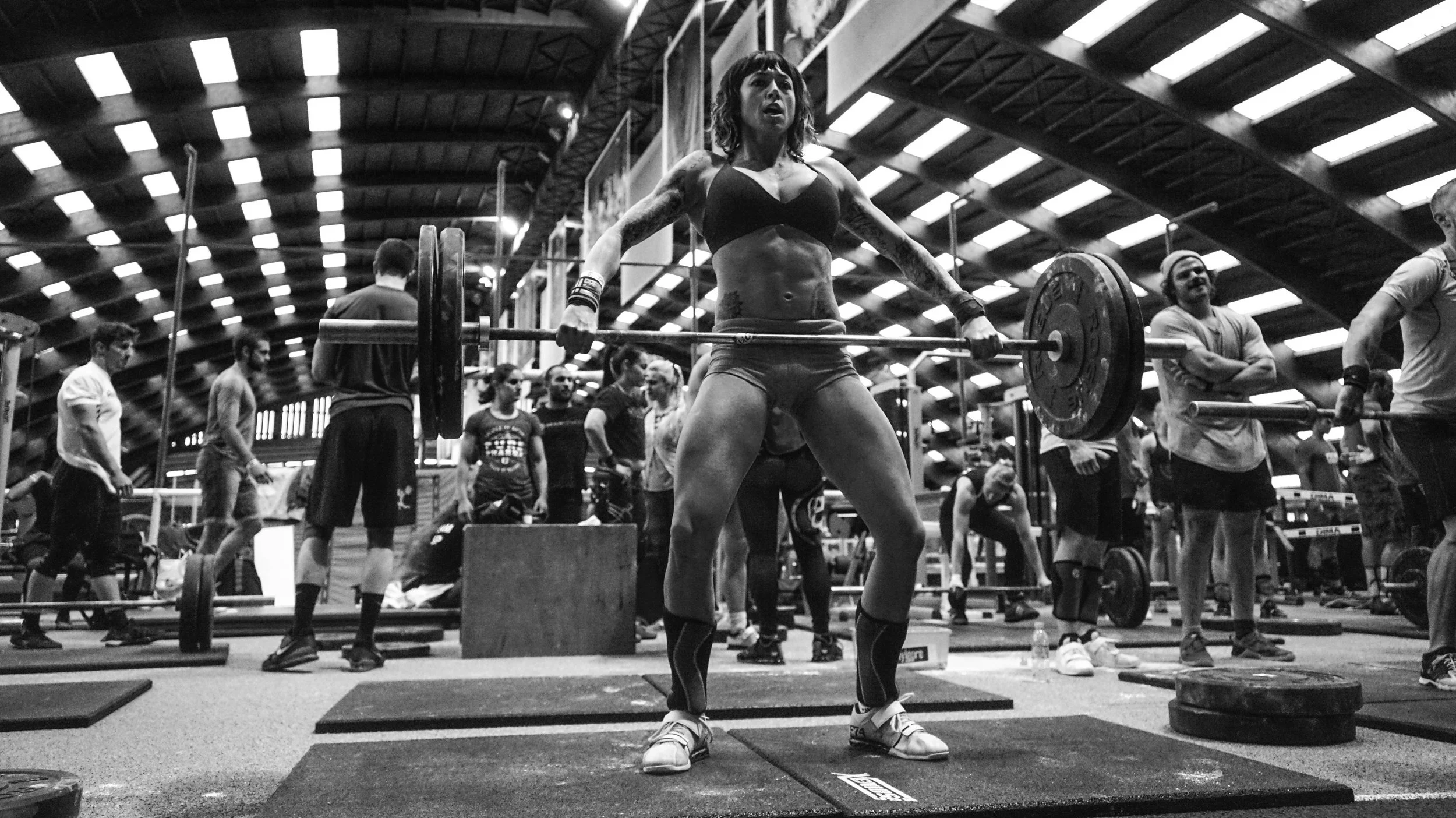
Erin, French Throwdown 2016 @ 132lbs
I originally wrote this in 2015 for my first fitness blog, Gritandteeth. I've been thinking of reposting it for years, as I'm proud of the sentiment, but I was embarrassed by the writing skill. So I've changed the structure and attempted to be more clear than I was capable of at the time.
This was 6 years before London passed, so it is full of the recognition and hope that I would get to see her become a strong woman. I was robbed of that, but I was gifted with being able to witness her mother, Erin, become stronger than I had imagined possible. Little of this had to do with lifting weights — and yet — it had everything to do with lifting the heaviest weight imaginable. I can't help but attribute her resolve to some of the experiences I mention in this article, I know more about strength today by watching her than any training could do for me.
If I could be bold enough to dedicate this to anyone, it is to the fathers of daughters. Not to warn them, or to cheer them on, but to tell them to be aware of the comments they make, the opinions they hold, and the facial expressions they might try and hide. Your girls will watch you more than listen to you.
I used to be part of the problem.
As a freelance photographer, makeup artist, and hairstylist, I worked through agencies creating images of women that were decided for me before I ever picked up a camera. What looked good on film wasn't a conversation — it was conformity. Fashion and beauty were the product, and the product had a spec sheet: specific limb-to-torso ratios, specific facial geometry, specific weight. There was always more power in the skin vacuumed to a collar bone, than the sinew revealed underneath.
One of the worst parts of the job was explaining to young women that their body type wouldn't succeed in the industry they wanted so badly to enter. It was rarely about being "too fat" or "too skinny" — it was about genetic predispositions they couldn't change. Sometimes it had to do with the skill of modeling, but rarely. Knowing that didn't make the conversations easier.
The further I get from that industry, the more clearly I see the damage it does to the women it claims to empower. I don't get to wash my hands of it. But I did get to leave, and what I walked into — coaching, training, building something with my wife — forced me to confront every assumption I'd been trained to hold.
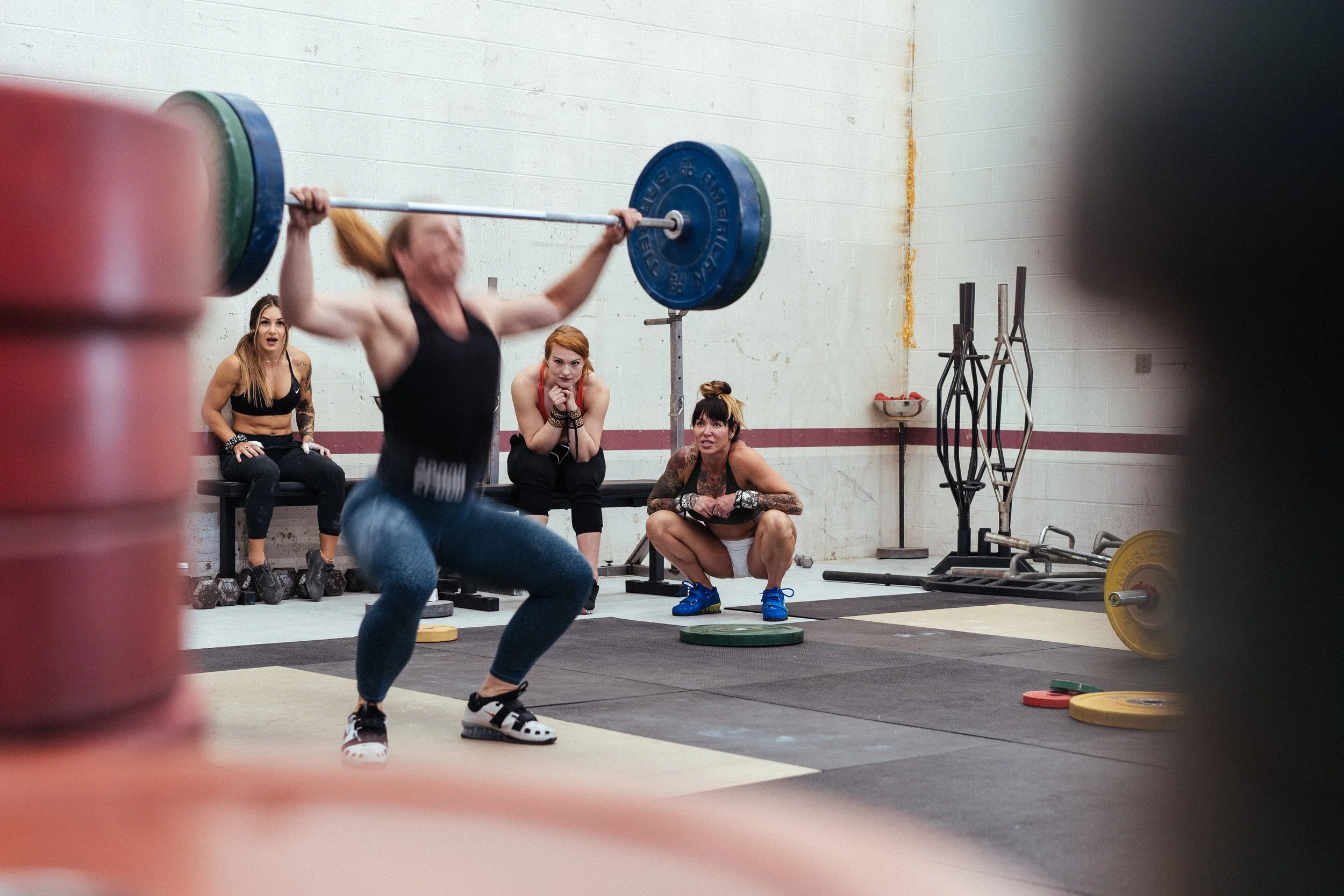
In 2014 I watched Olympic weightlifter and gold medalist Lidia Valentín set an event-best snatch, clean & jerk, and total. She moved beautifully. Undeniably strong. I watched it repeatedly.
I made the mistake of showing a friend and mentor (and employer at the time). He cringed. I'd forgotten his stance on women who are "bigger" — over 165 pounds, by his description— because he was small (Lidia was 155). The irony was that at that very moment in time he was responsible for shaping one of the most iconically strong female characters for a movie. It was a baffling moment, one that I couldn't reconcile with his description of muscular women. He called them "monkeys in dresses." It wasn't the first time I'd heard the term from him. Before the end of our friendship, after vodka removed whatever filter he had left, he'd use it to describe my wife.
My wife was 132 pounds.
At 5'8", she had spent years putting on lean mass. As a previously competitive runner she had weighed 122 in-season — "skinny" doesn't begin to describe it. Adding 8 to 10 pounds of muscle takes years. But the harder work wasn't the eating or the training. It was learning to look in the mirror without the weight of public opinion defining what she should see.
To her credit, she brushed it off. The next day she out-squatted him by over 50 pounds.
I watched as I felt the glory of spite in action.
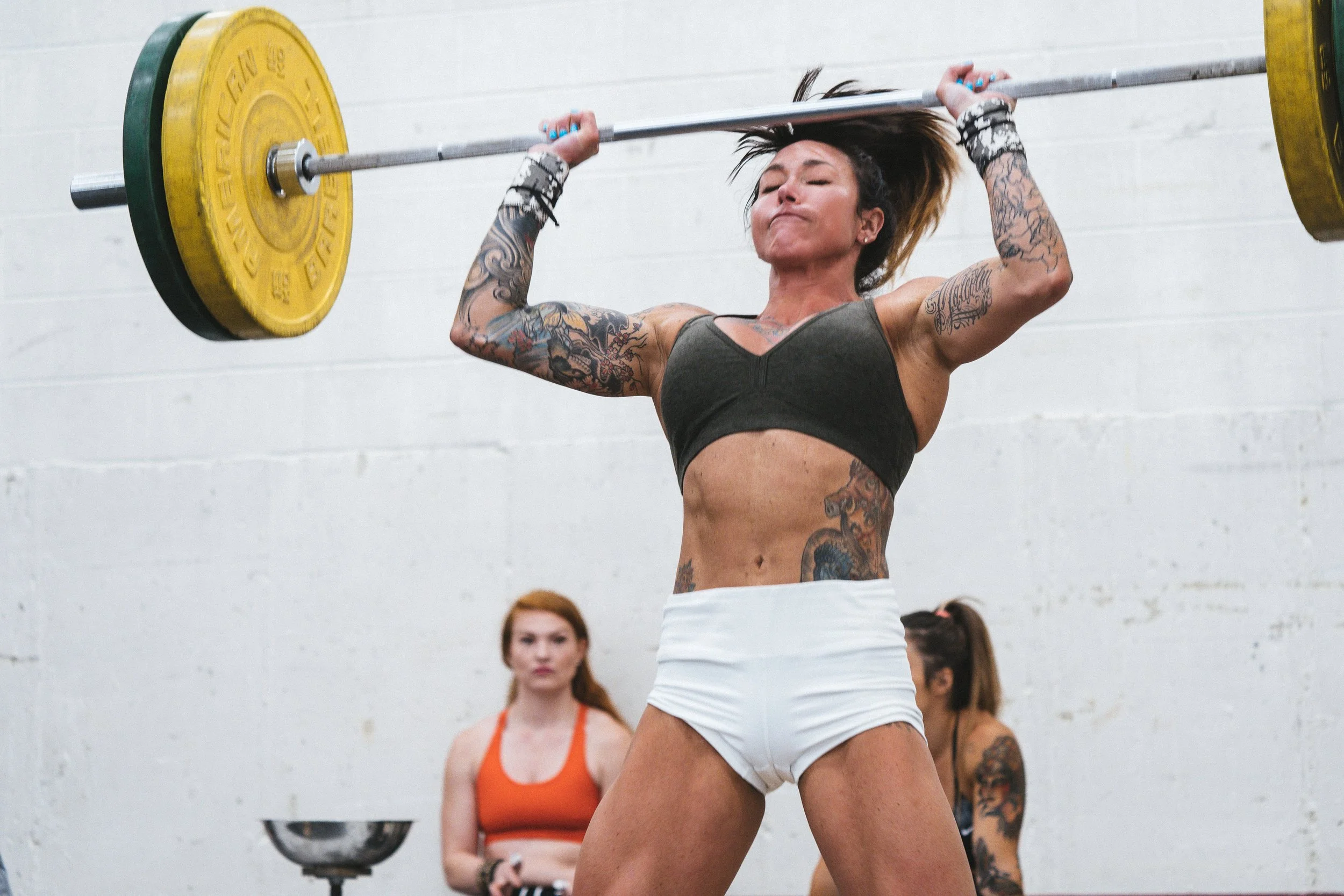
Women who choose to be strong — physically and in the act of determining their own identity — get punished for it. By strangers in comment sections. By friends after a few drinks. Often by other women. This isn't new. The historical battle over whether women are permitted to be physically powerful is deep and long-running. What's changed is the visibility.
With CrossFit drawing more female competitors — as well as being the first sport to reward both genders equally — and with participation in weightlifting rising, the requirement for success is inevitably more lean mass. With the look comes the accusation: performance enhancement, as if visible abs are only available through injection. That perception is built on limited education and ignorance of basic dietary and physiological truth. But underneath the bad science is something older — the inherited expectation that women should be frail, controllable, and deferential to a male ideal of what they're supposed to look like. The comment sections are just where it surfaces. The real damage is quieter.
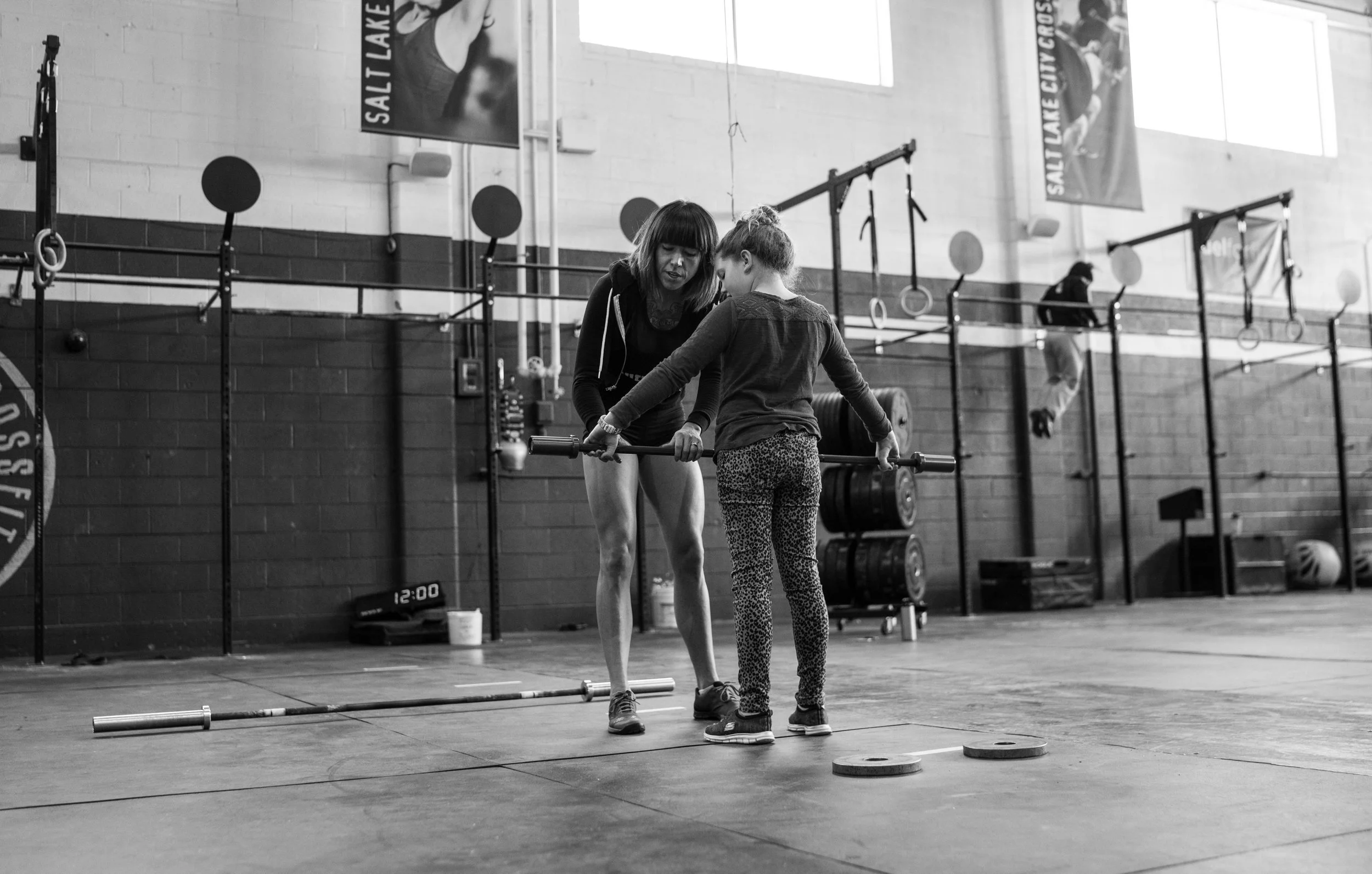
My stepdaughter was five when she messed up during a dance recital. She was commended anyway — because she was still "cute." No feedback. No opportunity to improve. Just reassurance that she had pleased people visually. It was a small moment. It was also the whole problem in miniature.
We evaluate women on appearance first and ability second, and we start early. The first reaction most people have to an impressive feat from a female athlete is to comment on how she looks. Attractiveness gets noted before ability. We live in a culture that talks constantly about meritocracy, but there is nothing of merit in inherited facial features. There is no growth in the idea that results can be overwritten by being visually pleasing.
Think about what a young girl absorbs. She watches how the adults around her react. Not what they say directly, but the involuntary cringe at a muscular woman on screen. The offhand remark. The backhanded compliment. We aren't clever enough to hide our real opinions from the people we spend enough time with. Eventually our reactions speak for us. Without ever saying it aloud, we tell girls exactly what we think about strong women — and what we think they should aspire to instead.
I don't expect the world to be frictionless. And if there is anything that I have learned from strength training, it is that no one can become strong without resistance.
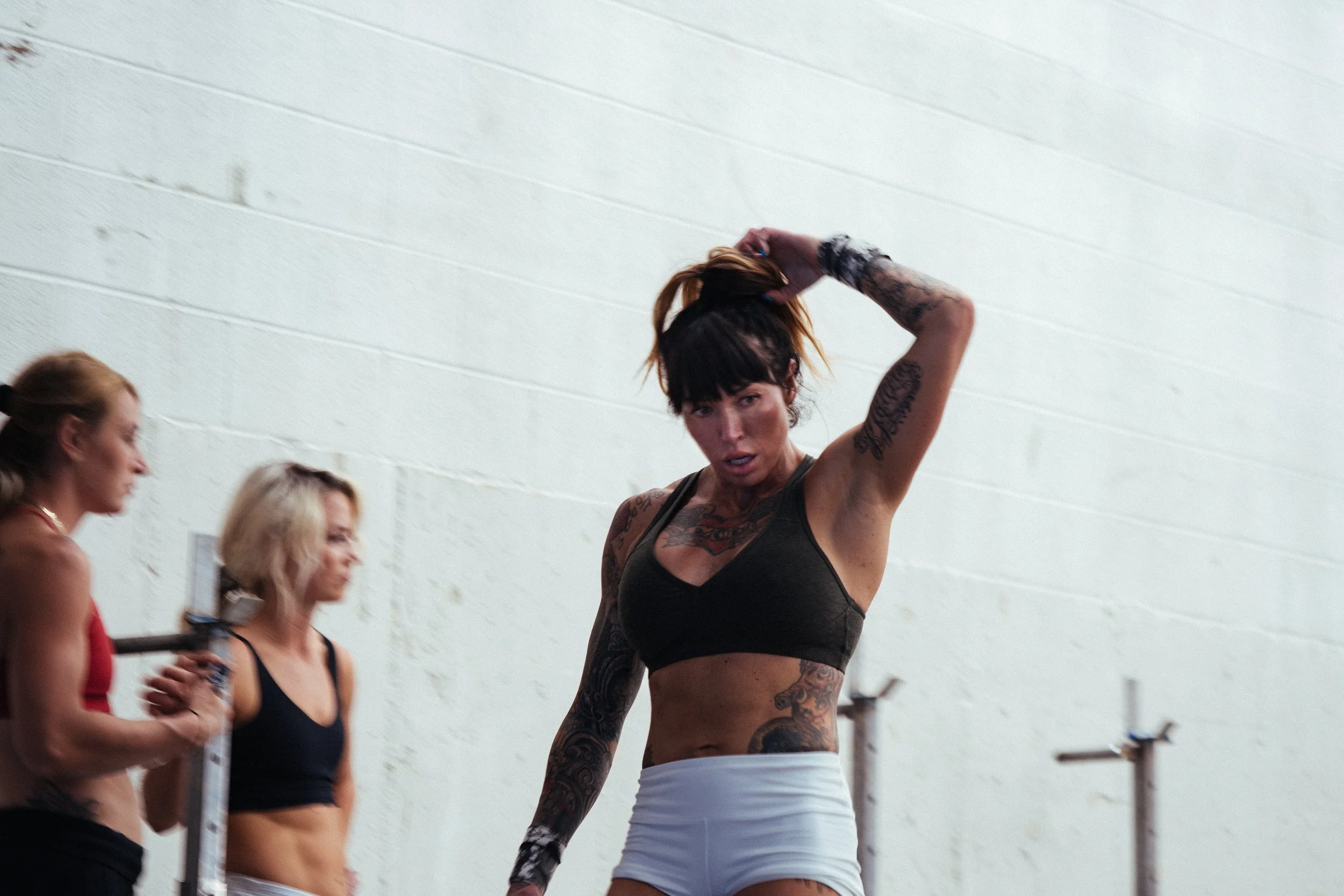
Women who choose to rise above the cultural norm deserve to know that someone in this industry sees what they're doing, and respects it. I'm not trying to convince someone that they should be okay looking a certain way. I just want the ones who are already in the work and getting battered by the noise to know they aren't alone.
This isn't a complaint. It's not a plea for freedom from criticism. It's a recognition that if I coach athletes physically, mentally, and emotionally, then I have to address the forces working against them — including the ones I once participated in. If I can't stand up for women and encourage them to be strong, I shouldn’t call myself a man. And if I can't tell my daughter that her ability far outweighs the ideals of the dark ages, I shouldn't be called human.