

I Don't Coach People. I Move Stories Forward.
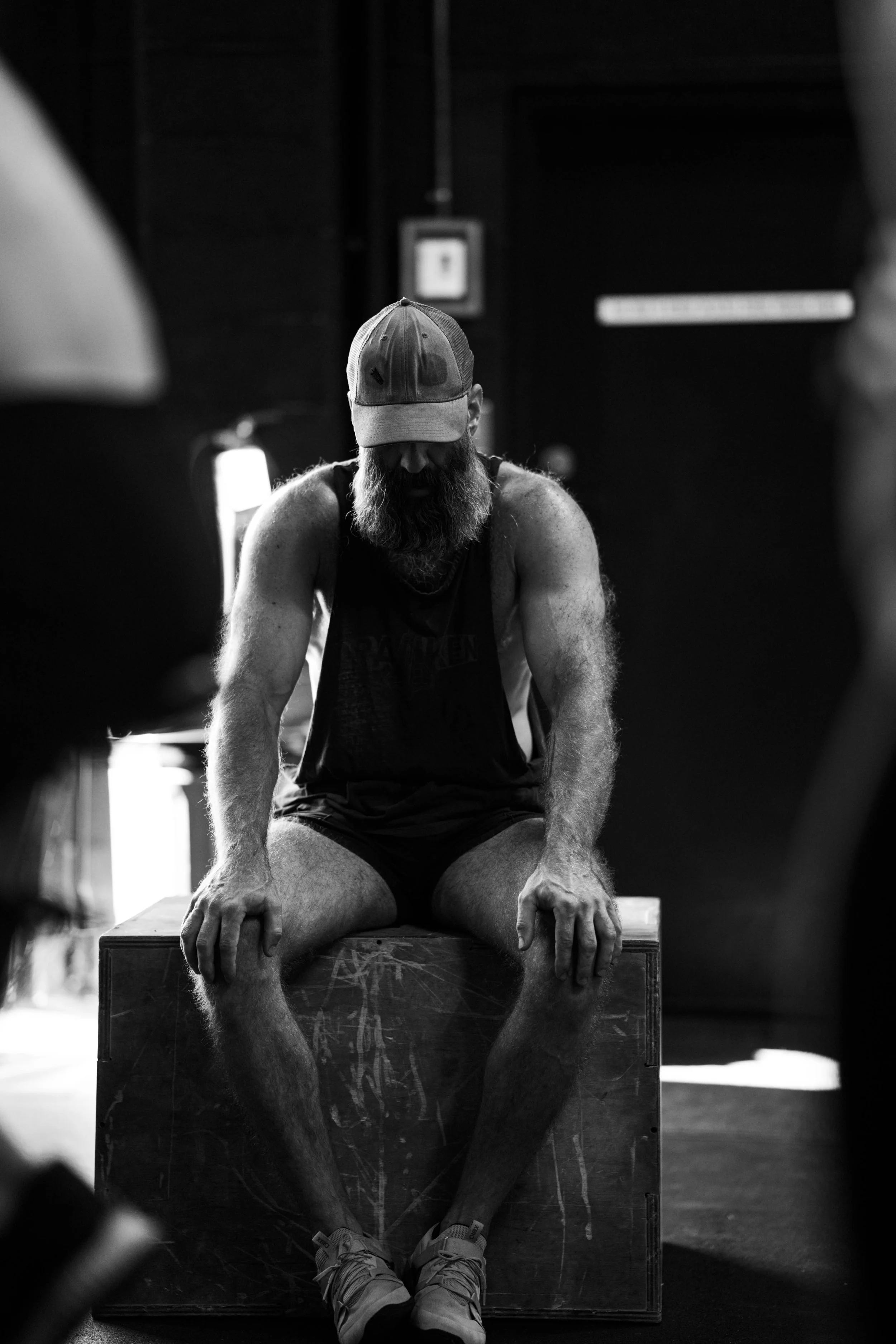
It took me too long to realize what I'm built for. I'm a storyteller.
We all are, to a degree. One of the most profound things I've read is Will Storr's A Story Is a Deal, where he describes the human Umwelt as narrative. Umwelt is a German word for how a conscious being experiences reality. For humans this is paradoxical, because our sense of reality is fabricated. The three-act structure is one of the few universal, transferable facts about being human: we comprehend life only through the arc of story.
For as long as I can remember I've been making them. It started with pictures I drew for my mother, who was fascinated by how much action I could fit on one page—helicopters and monsters all vying for attention. Later it was an old camcorder: claymation videos and elaborate costumes for terrible plots about ninjas and spacemen from hell that my teacher had to sit through and grade. He was generous. He only told me to keep practicing.
For a long time I tried to be the main character—the hero of my own adventure and calamity. But I finally understood that my story is to shape other people's. That became clear when I accidentally landed in movie production. I was there to tell a story the most meaningful way I knew how: to convince an audience, through a single glance, that this was the character they'd known and loved from a comic almost a hundred years old. It came from hours of arduous work—but the visible labor, the part that ended up in fitness magazines, wasn't the hard part. I demand my clients sleep and recover. On most of those productions I barely did. I gave away the rest I tell other people they can't live without, because I was the one holding the story up.
And as you may have noticed, I just told you my own story in three acts: the boy who made worlds, the man who tried to live inside them, and the one who learned his job was to build them for someone else.
This is how you change anyone: you change the narrator. It's how I changed, and it's how I'll change again when I decide what I want to become next.
So when a client seeks me out, we have that first confusing conversation—the one where I try to convince them I'm not who they think I am. That I'll become who they need me to be. That this was never about exercise or performance, that I care little about a sporting event or getting leaner, and that what I actually want is to help them reshape their story. I say it because I understand what that power can do.
Maybe it's still called "coaching." But the difference between coaching and shifting a story is sacrifice. A true story demands it, and few coaches are willing to pay—fewer clients remember they once were.
You knew this once. Then you settled for getting leaner, for hitting a number, for improving. You traded becoming someone for maintaining someone. The trade felt like growing up.
Shifting from coaching to storytelling is the difference between improving a client and creating a hero.
Not "hero" as in protagonist. Hero in the sense of the journey—someone brave enough to change themselves again.
